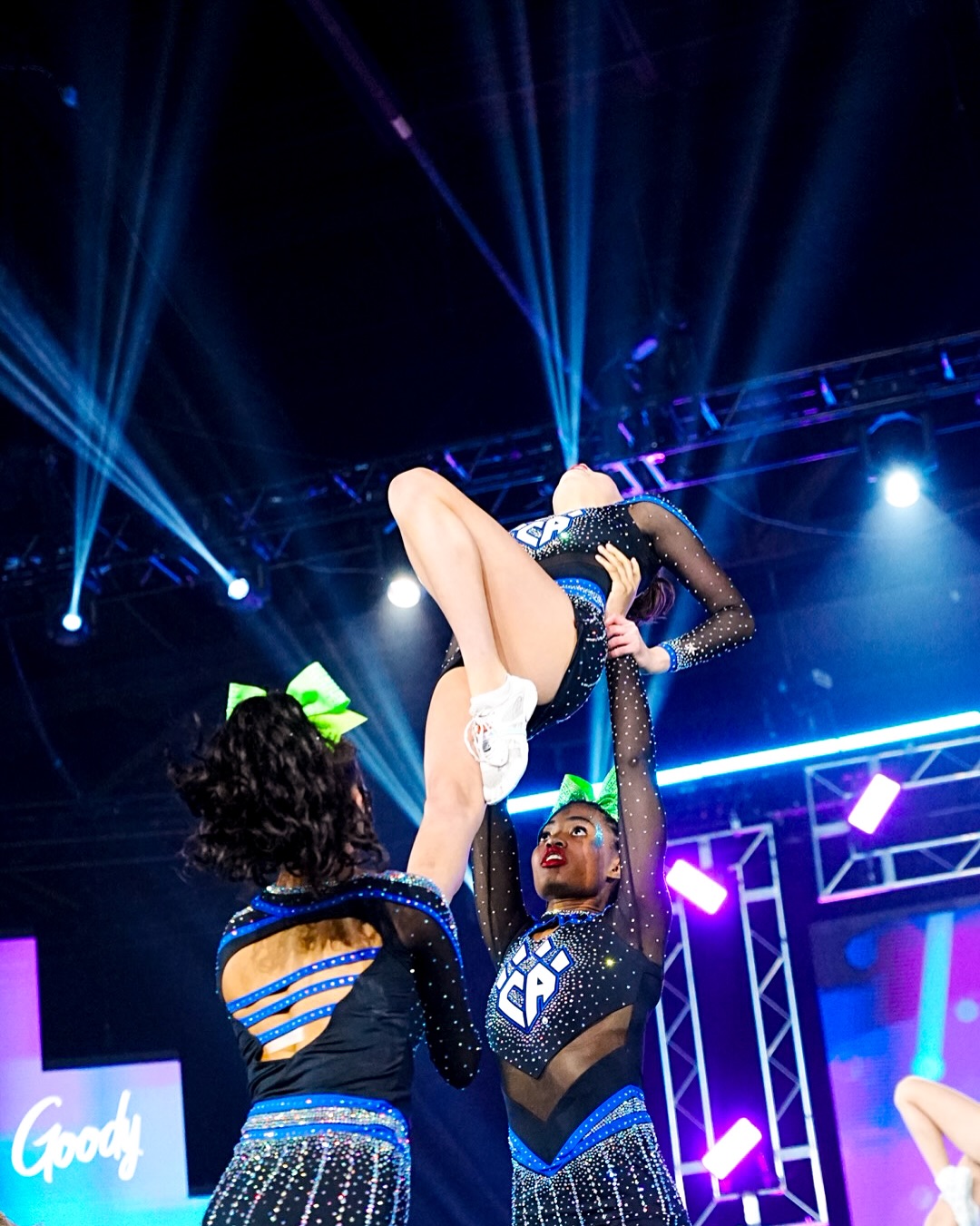
When evaluating tumbling in Chicago, it is important to look beyond basic class offerings and focus on how a program supports long-term progression. Tumbling is not just about learning skills—it is about building a foundation that allows athletes to improve consistently, safely, and with confidence.
For families and athletes who want to better understand how programs are structured and what to expect from training, our Blog provides ongoing insight into how tumbling development should be approached at every level.
What Sets a Strong Tumbling Program Apart
Not all tumbling programs are structured the same way. Some focus on short-term skill acquisition, while others prioritize long-term athlete development through structured progression.
The most effective tumbling in Chicago programs emphasize consistency, technique, and measurable improvement. Athletes are guided through skill progressions that build strength and control before advancing to more complex movements.
Tumbling is a critical component of competitive cheerleading. Strong tumbling skills improve performance scores, confidence, and overall team contribution. Because of this, the structure of a training program matters just as much as the skills being taught.
Understanding Skill Progression
Skill progression is one of the most important factors in tumbling training. Athletes must develop the strength and technique required for each skill before moving forward.
In well-structured tumbling in Chicago programs, athletes are introduced to new skills only after demonstrating readiness. This includes proper body positioning, control, and consistency.
Rushing progression often leads to inconsistent execution and increases the risk of injury. Programs that take a step-by-step approach help athletes build confidence while maintaining safety.
For athletes already participating in tumbling classes Chicago, understanding how progression works can help set realistic expectations and improve long-term results.
The Role of Technique in Long-Term Success
Technique is the foundation of all tumbling skills. Without proper technique, even advanced skills can become inconsistent or unsafe.
Programs focused on tumbling in Chicago emphasize clean execution from the beginning. This includes attention to body alignment, timing, and controlled movement.
Many athletes preparing for competitive teams look toward national programs such as Cheer Athletics as a benchmark for disciplined skill execution and performance standards. These programs highlight the importance of technique and consistency in achieving high-level performance.
By focusing on technique early, athletes develop habits that support long-term success rather than needing to correct mistakes later.
What Cheer-Focused Training Prioritizes
Tumbling for cheer is different from general athletic training. It requires athletes to perform skills consistently within routines, often under pressure.
Cheer-focused tumbling training emphasizes:
- Clean technique
- Power generation
- Controlled landings
- Skill consistency
Athletes training in structured tumbling in Chicago environments that prioritize these elements are better prepared for competition settings.
This type of training helps athletes not only learn skills but also perform them reliably when it matters most.
Strength and Conditioning Matter
Strength is a key factor in tumbling progression. Athletes need core stability, leg power, and upper body strength to execute skills correctly.
Structured tumbling in Chicago programs incorporate conditioning into training, ensuring athletes build the physical foundation needed for progression.
Conditioning also supports injury prevention. Stronger athletes are better able to control their movements and land safely.
For families exploring Chicago tumbling classes, it is important to look for programs that balance skill work with strength development.
Safety and Training Environment
A safe training environment is essential for any tumbling program. This includes proper equipment, qualified coaching, and structured progressions.
In high-quality tumbling in Chicago programs, athletes are taught to prioritize control and technique over speed. Skills are introduced gradually, allowing athletes to build confidence and reduce risk.
Coaches also focus on teaching proper landing mechanics and body positioning, which are critical for long-term athlete health.
Families researching gymnastics Chicago IL programs should prioritize safety, structure, and coaching experience when making a decision.
How to Evaluate a Program
Choosing the right program comes down to understanding how it supports athlete development. Families should look for programs that offer:
- Clear skill progression paths
- Consistent coaching feedback
- Structured class levels
- Emphasis on technique and safety
The best tumbling in Chicago programs provide athletes with a clear roadmap for improvement while maintaining a positive and structured training environment.
Programs that focus on these elements help athletes stay motivated and continue progressing over time.
Building Confidence Through Progress
Confidence is built through consistent progress. When athletes see improvement, they are more likely to stay engaged and continue developing their skills.
In structured tumbling in Chicago environments, athletes are given achievable goals and the support needed to reach them. This creates a positive training experience and encourages long-term participation.
Confidence gained through tumbling also carries into other areas, including school, teamwork, and overall athletic performance.
Moving Forward with the Right Foundation
Choosing the right tumbling program is an important step in an athlete’s development. By focusing on structured progression, proper technique, and consistent training, athletes can build a strong foundation for long-term success.
With the right approach, tumbling in Chicago becomes more than just a class—it becomes a pathway to improved performance, confidence, and overall athletic growth.